
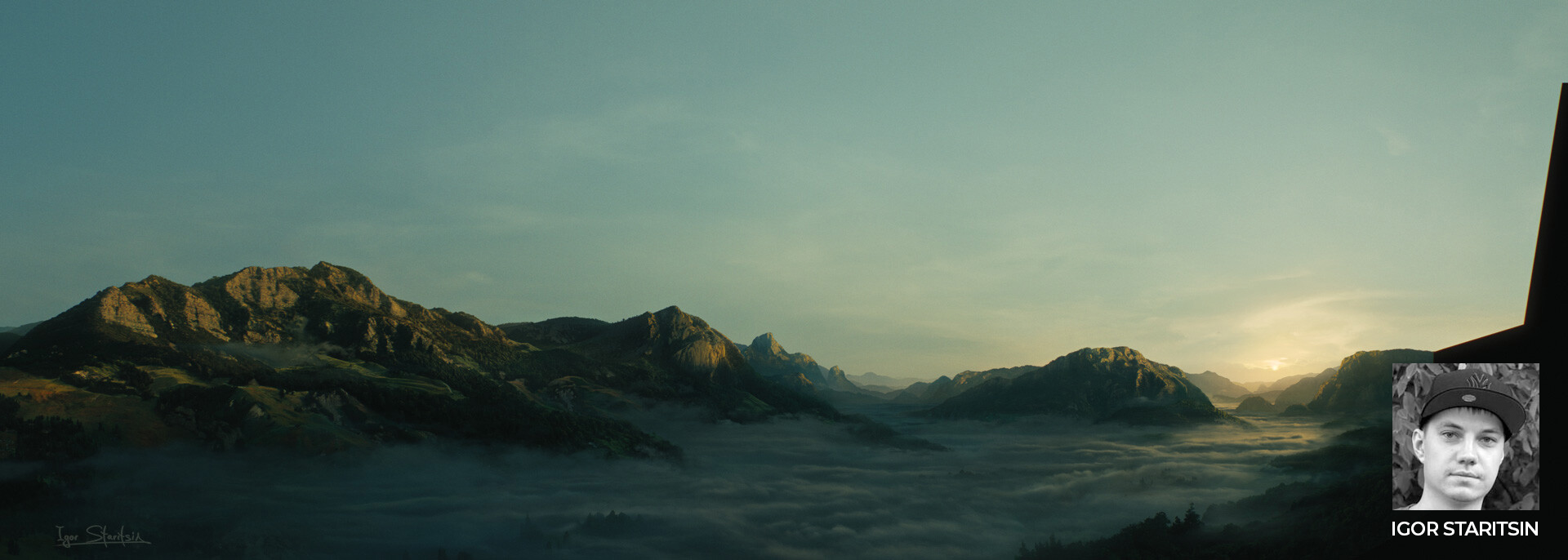

Igor Staritsin is a renowned art director, concept artist, and matte painter with credits on iconic franchises including Alien, Star Wars, Predator, Tron, Star Trek, Indiana Jones, Jurassic Park, Ant-Man, Godzilla, Black Panther, Game of Thrones, Final Fantasy, and many more. He was nominated for an Academy Award for Best Visual Effects in 2024 as one of four art directors on Alien: Romulus, and he was part of the VES Award-winning team for Outstanding Visual Effects, serving as additional art director on Lost Ollie.
Art has always been something that Igor has cherished. From a young age, he was exposed to legendary Russian painters who had a huge impact on him; their extremely high level of craftsmanship, along with amazing storytelling, lighting, colors, and compositions, mesmerized him as a child.
“I was immensely impressed with the details, but also with the simplicity in composition that such masters as Ivan Shishkin and Ivan Aivazovsky could achieve,” Igor explains. At the same time, I was very impressed by the looser, impressionistic brushwork of artists like Vasiliy Polenov and Issac Levitan. Their essence often lies more in capturing the immediate sensations of light, color, and shifting seasons, as well as the emotional aspect of the subject at hand. At different points in my life, I studied each of them, along with many other painters, closely to understand their thinking more deeply and learn from it. You wouldn’t believe how much of it can be translated to digital art!”
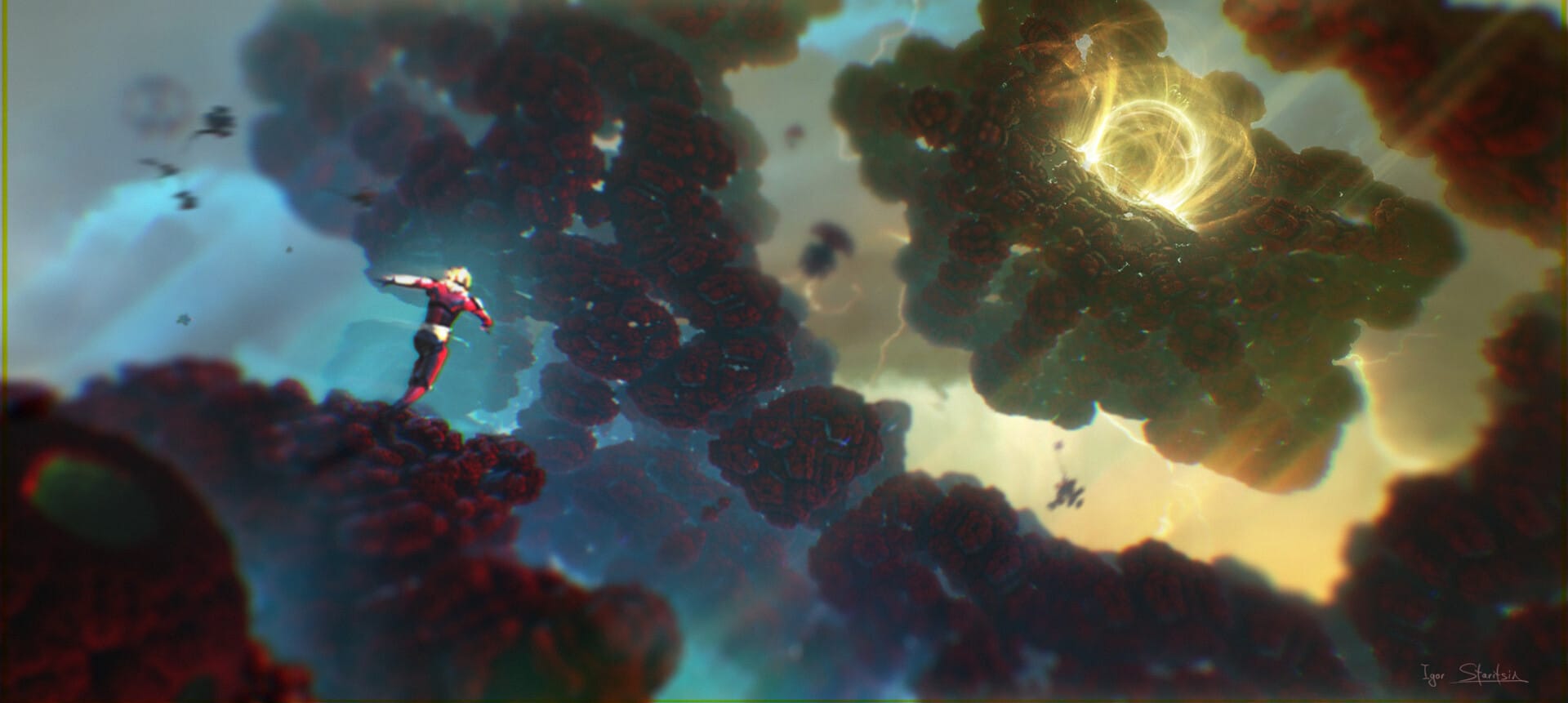
As a young artist, Igor didn’t know he could create art for films. At the time, he thought he would probably be a graphic or web designer, which is the career he initially pursued. “Since I always enjoyed painting, working on illustrations for websites was my favorite part,” he explains. “I didn’t enjoy working on UI as much. Then, in 2008, I found out that all what I liked doing could be used in film! Right at that moment, I put all my effort towards building a portfolio that could be useful in movie production.”
Igor could never have imagined the global journey that his career would take him on once he followed that drive to create art for movies. And none of it came without risks. “Nothing was handed down,” Igor says. “I had to travel lots when I was younger to explore the world and the industry, hoping to find a place where I could settle down with my family and do the work that I love. It’s great to travel the world when you're young, but later you want to find your place. After a while, we decided to return to Canada, where we currently reside. Living in Budapest, Hungary, was also great; everything is close in Europe, and visiting different countries feels like an adventure. Working in Beijing was another interesting experience; the culture is very different from Canada, but I enjoyed my time there. Istanbul, Turkey, is also special to me because it’s relatively close to my hometown in Russia, and I traveled there when I was young to work on a big feature film.”
The biggest turning point in Igor’s career was when he collaborated with Disney back in 2009. “I did one of my early concept/matte illustrations, and then it was the first image I shared on mattepainting.org,” he says. “Back then, mattepainting.org was a big deal with lots of talented artists on the platform. My painting was selected for the gallery of the best images on the website, which was quite impressive. After that, Disney contacted me about the painting and expressed interest in collaborating. And the rest is history!”
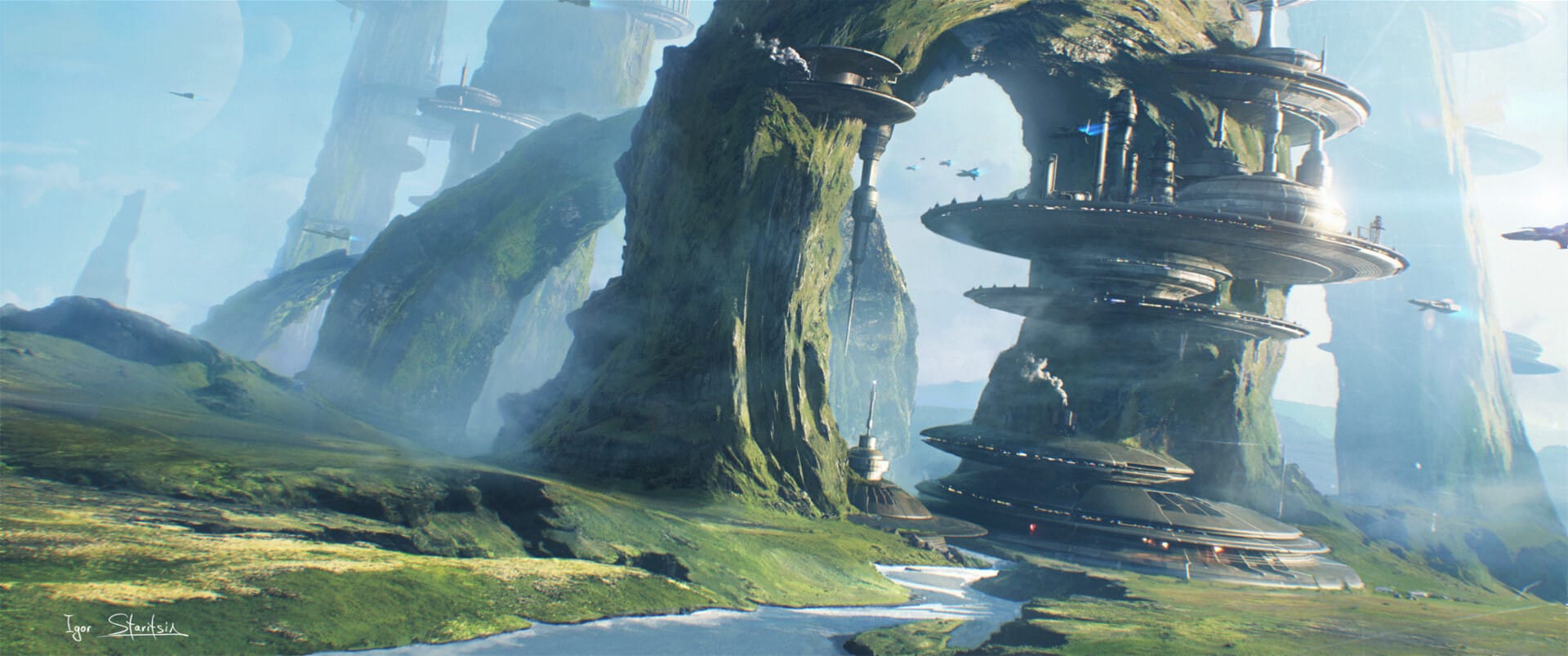
“While it’s impressive what modern software is capable of doing, it is ultimately the design decisions that we make that make an image look evocative and simply beautiful.”
Igor Staritsin
Painting a Foundation
Igor’s background in traditional painting laid the foundation for his approach to digital artwork. “My background and overall passion for traditional art have shaped so much of who I am as an artist,” he explains. “Beyond the obvious skills of handling lighting, composition, color, shape-making, and so on, it helps you better appreciate nature and the life around you. Traditional art isn't the only way to improve as an artist, but it can really solidify the fundamentals and make you braver in your artistic decision-making. I always have to remind students that, while it’s impressive what modern software is capable of doing, it is ultimately the design decisions that we make that make an image look evocative and simply beautiful.”
Staying creatively inspired and developing skills is also important to Igor. “Life and work can take over from time to time, but I always try to make room for personal art,” he explains. “Painting outdoors and then bringing those ideas back into the studio to develop them further is a big part of my creative process. It feeds me creatively and makes me feel alive. I also have many digital art ideas that I continue to develop over time. I find it fascinating to explore how a story can be told through a series of carefully thought-out and thoughtfully designed keyframes, where each image contributes to the larger narrative.”
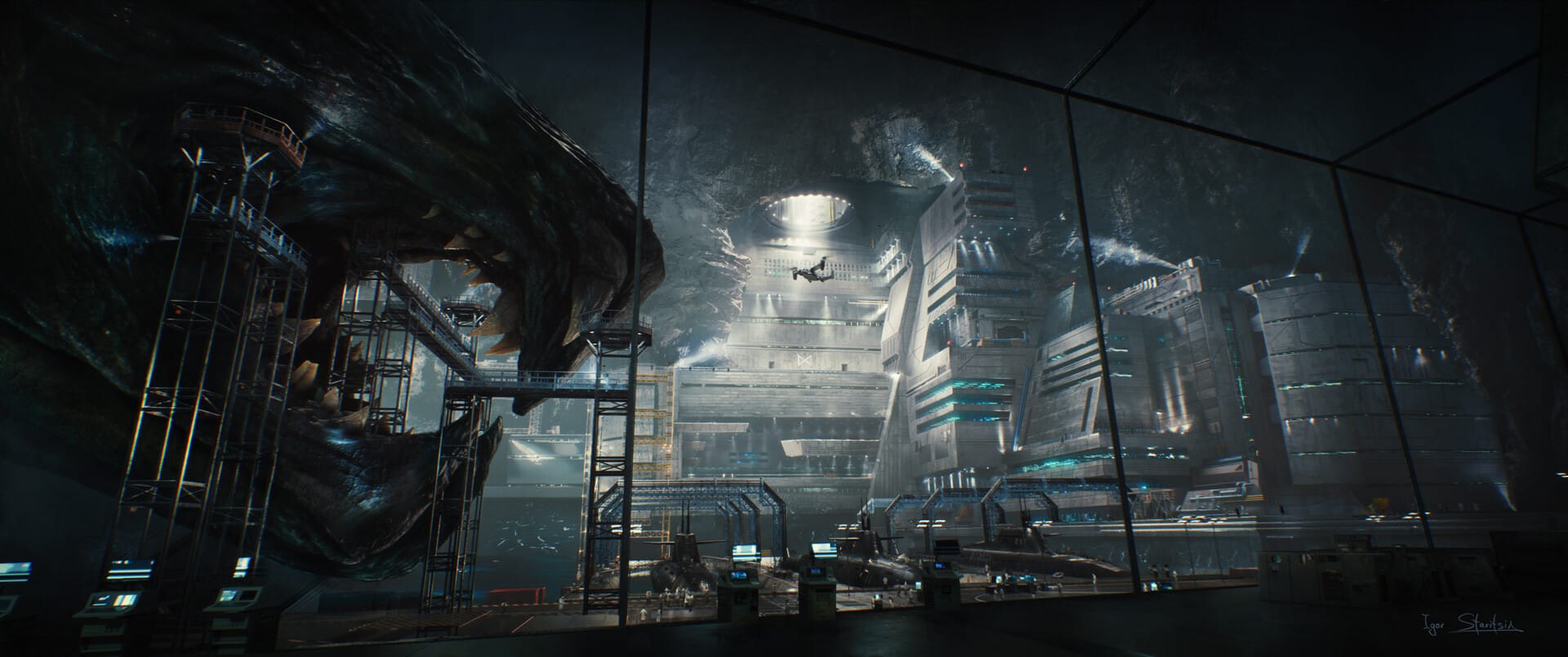
“Some of the most legendary names in the industry came through ILM, and many of them are still part of the company today.”
Igor Staritsin
Directing for ILM
Now an Art Director at Industrial Light and Magic, Igor originally joined the company as a Senior Concept Artist. “As an Art Director, you have more responsibility and are typically in charge of a broader scope of work,” Igor says. “While both Art Directors and Concept Artists develop designs, establish the look of shots, create paint-overs, and contribute to the visual development of a project, the Art Director is ultimately responsible for what is presented by the Art Department to the VFX Supervisor or client. Art Directors also mentor junior artists, attend multiple meetings, collaborate with other departments, and make broader creative decisions that help enhance and maintain the project's overall visual direction. In general, they oversee the artistic side of the project and ensure the work stays aligned with the established vision.”
The ILM Art Department is considered one of the strongest art departments in the world. “There are so many exceptionally talented artists working here that it’s difficult to overstate the level of talent,” Igor offers. “Some of the most legendary names in the industry came through ILM, and many of them are still part of the company today. We also frequently work across facilities and locations, rather than being limited to projects based in our own city. For example, someone at the Vancouver facility might be working on a project based in San Francisco. In that sense, the different ILM facilities function as one large, interconnected Art Department, with artists and supervisors collaborating across locations and projects.
Naturally, working as an Art Director at a top studio takes significant time and commitment. “The market is highly competitive, and if you want to become the best version of yourself in your field, you need to dedicate a substantial part of your time to continuous improvement,” Igor says. “That doesn't mean you should never step away from your computer, of course. But painting, drawing, reading about art, studying past artists' work, and constantly learning should become part of your regular routine. Developing your own critical eye is one of the most important things of all.”
Designing for Film
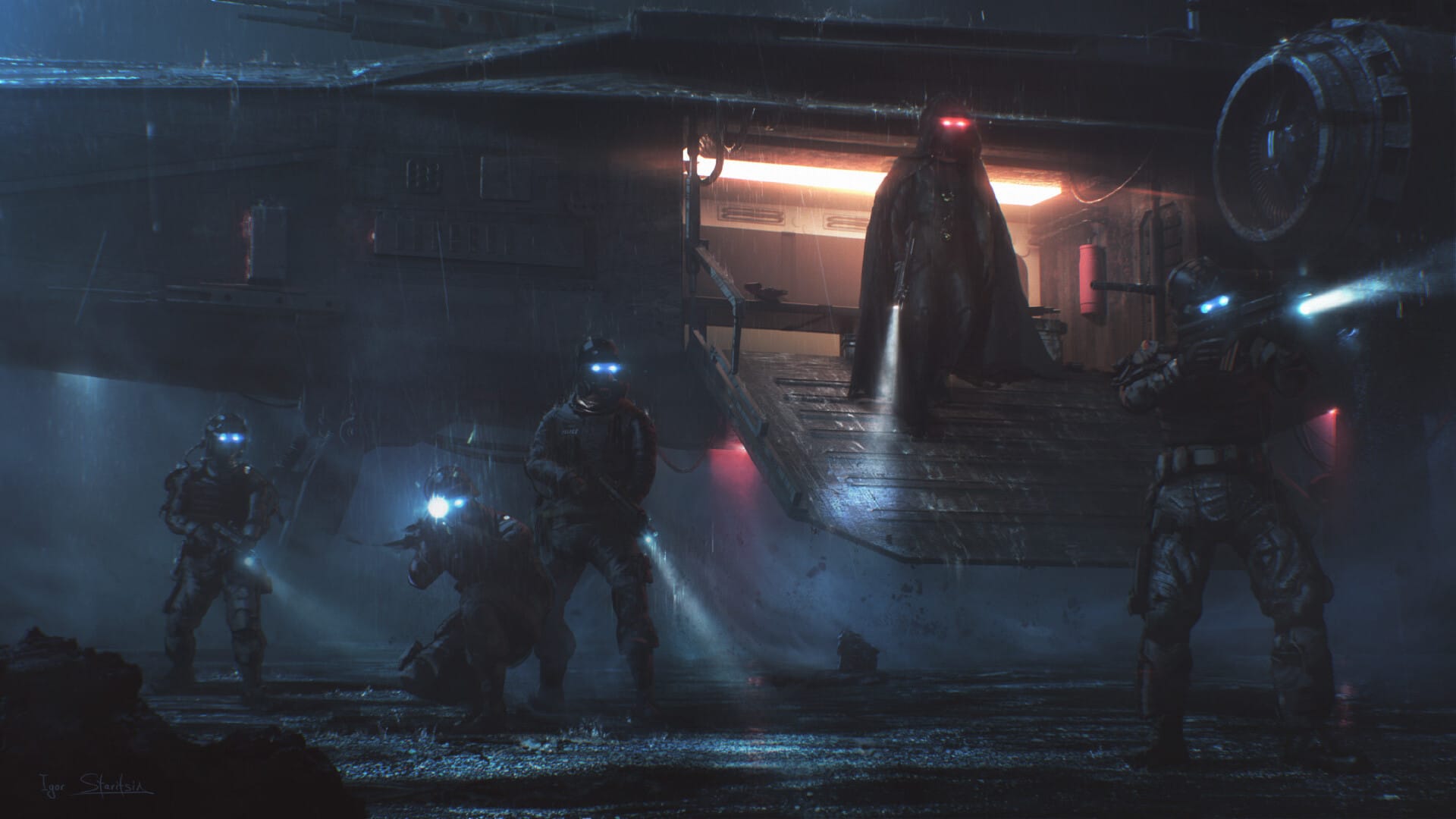
In Igor’s creative process, once he receives a brief from a director or filmmaker, he first reads between the lines to dig deeper and understand the core request. “Sometimes words simply aren’t enough to fully describe an idea,” he explains. “Especially when the brief says something like, 'We want something we haven’t seen before.’ This is where creativity and artistic judgment come into play. You need to take the time to research the subject matter, gather references, and identify the most impactful, meaningful, and valuable elements within that material. From there, you can creatively combine and reinterpret those ideas to arrive at something fresh, distinctive, and visually compelling.”
His artistic skills become especially important in this process. “In film, you often don’t have much time to communicate an idea,” he says. “The audience may see a design or shot for only a few seconds, or even a fraction of a second. Because of that, you need to design with clarity and make sure the image reads quickly and effectively. Often, the principle of ‘less is more’ applies: a strong, simple idea with a clear visual read can be much more effective than an image overloaded with details.”
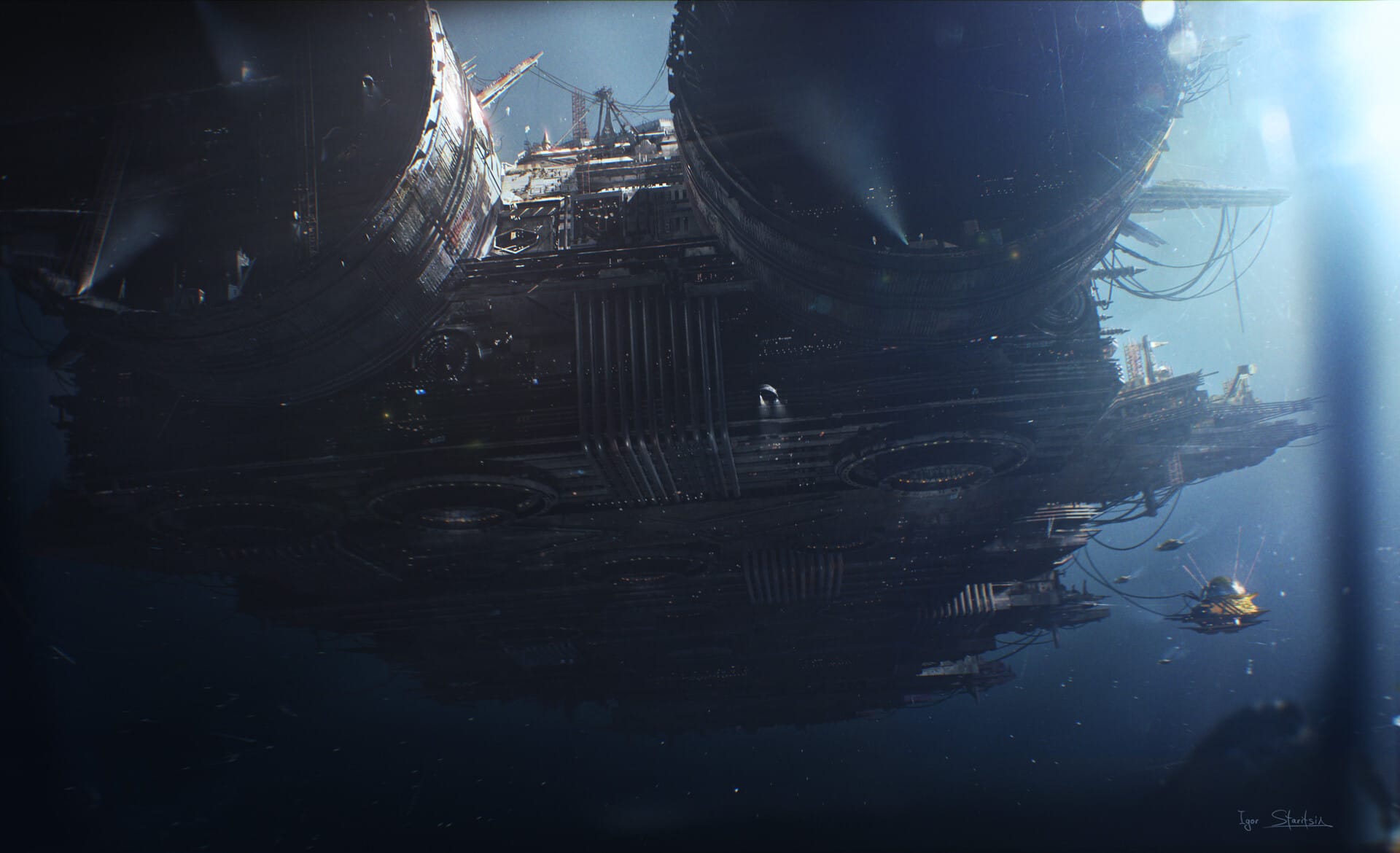
Igor believes the key to making concept art successful in a production environment is to be deliberate in your decisions. “Simply stumbling upon a solution or relying on trial and error may work occasionally, but a strong design usually comes from thoughtful consideration and intention,” he explains. “Try to balance aesthetic, logic, and function in your designs. If you have reference material from a movie set, it can be extremely valuable to analyze it carefully and identify specific elements, shapes, materials, or details that you can incorporate into your design. This helps create consistency and makes everything feel like it belongs to the same cohesive world.”
When working on an environment shot, Igor explains that lighting is also an important storytelling tool. “Use light intentionally to establish mood, create depth, and guide the viewer’s eye toward the most important elements of the frame,” he says. “Lighting can become one of the key elements that communicates the story.”
“Find what speaks to you the most, and strive to become as good as you possibly can in that area while continuing to broaden your skill set and explore other disciplines. In other words: Do what you love and love what you do.”
Igor Staritsin
Portfolio Advice
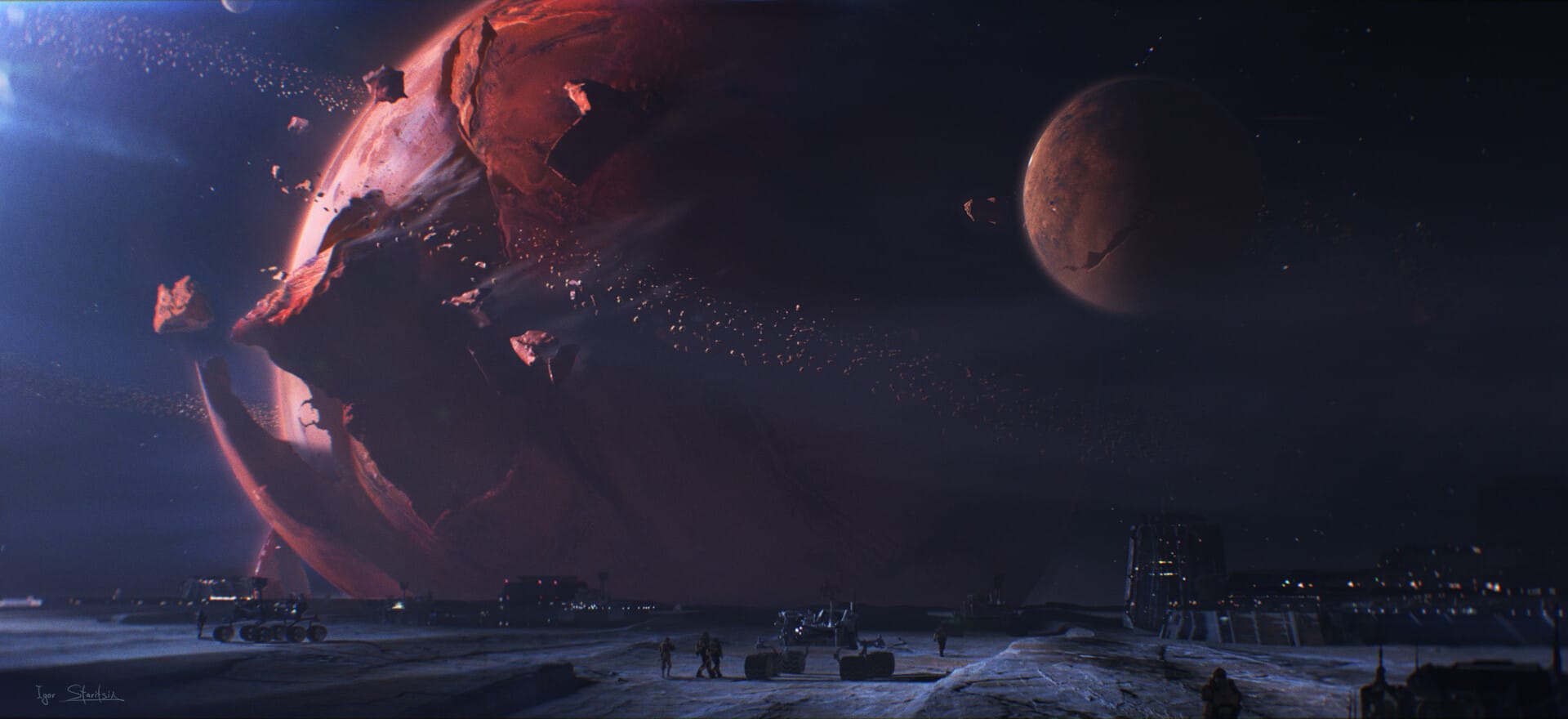
Igor often sees younger artists trying to put too much information into a single image, which can make the composition overly busy. “When there is too much visual noise, the main storytelling element can easily get lost,” he adds. “Sometimes, simplifying the image and removing unnecessary elements can make the story much more powerful and immediate. I usually appreciate seeing something that feels truly unique. It could be an exceptional understanding of light, color, and composition — something where, the moment I see it, I can tell that this is your area of expertise and that very few people can match your level.
An artist’s portfolio ultimately speaks for itself. “Perhaps you have incredible skills in character design or hard-surface design; if the task is to design a robot, for example, you might be the person everyone wants on that assignment,” he says. “When you work at a studio, you never really know what task you’ll be working on tomorrow, so it’s important to be versatile and capable of tackling a wide range of challenges. By looking at your portfolio, a potential client or art manager can usually recognize your particular strengths and areas of expertise; as a result, you’ll often be given assignments that play to those strengths. Find what speaks to you the most, and strive to become as good as you possibly can in that area while continuing to broaden your skill set and explore other disciplines. In other words: Do what you love and love what you do.”
Software, Skills & Collaboration
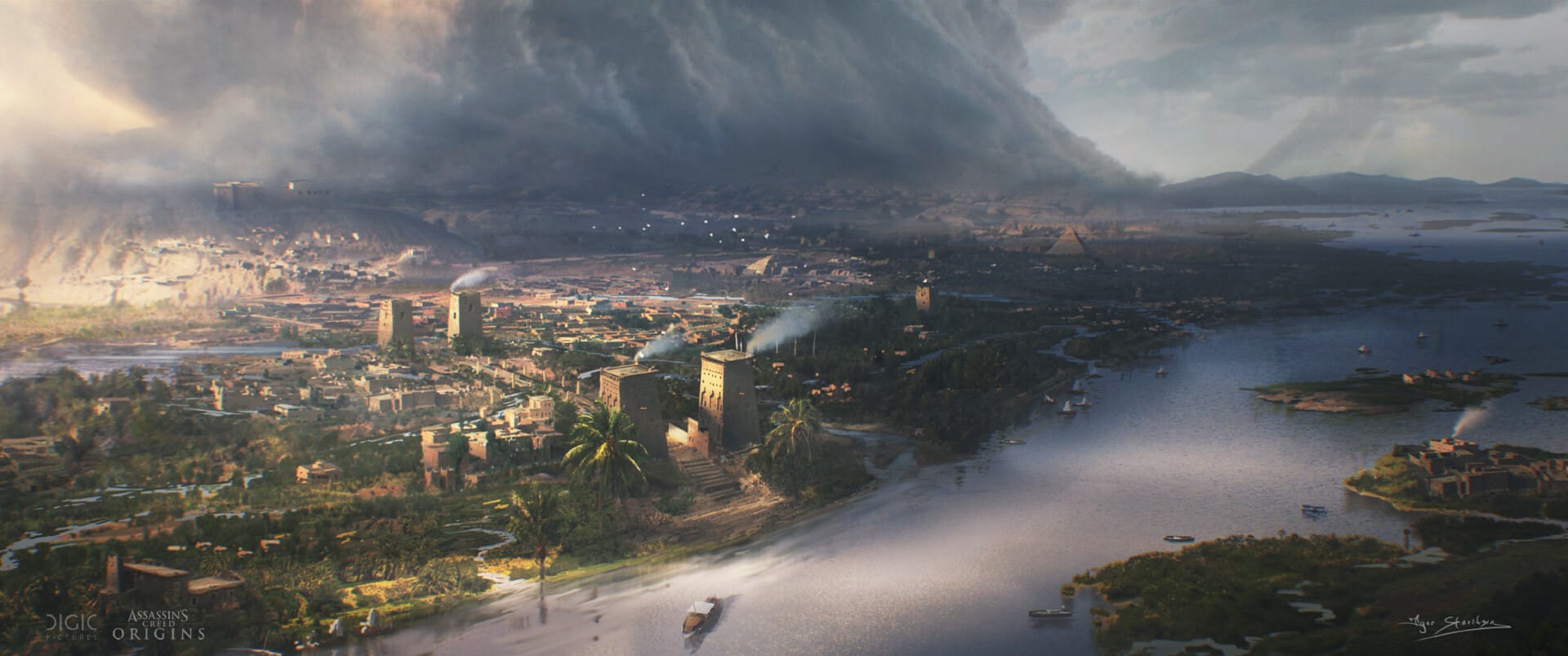
At a studio like ILM, artists need to fit into an established pipeline and collaborate with other artists. But for a concept artist in particular, Igor says: “Software changes constantly, and the techniques we use will continue to evolve as well. When a piece of art looks great, people naturally want to know what software created it. But if the final result isn’t appealing, nobody really cares how many programs went into it. That’s why I always say it’s not about whether you use Blender, 3ds Max, Maya, or something else; it’s about what you can create with it. For me, strong fundamentals are the most important foundation. It can take a lifetime to become truly great at any aspect of art, and developing those skills will always be more valuable than simply keeping up with the latest software.”
If an aspiring concept artist or matte painter has only a few hours a week to improve their professional skills, Igor recommends: “For a concept artist, I would suggest starting by figuring out what genuinely interests you the most. If it’s environment art, for example, focus on learning the fundamentals of the craft; study great paintings and try to understand why they work, what appeals to you, and how the artist approached the image to make it successful. If character design is what excites you, then focus on learning anatomy. We often tend to skip the fundamentals and jump straight into polishing details too soon. You might get lucky a couple of times, but without a solid understanding of the fundamentals in your area of expertise, it will be extremely difficult to produce consistently strong work.”
He continues: “That final 10% can take a surprising amount of time, but that’s often where the most significant growth happens. Another thing I would strongly recommend is finding a mentor you can reach out to from time to time with questions. Sometimes, a couple of sentences from a highly respected professional can give you the clarity you need to move forward.”
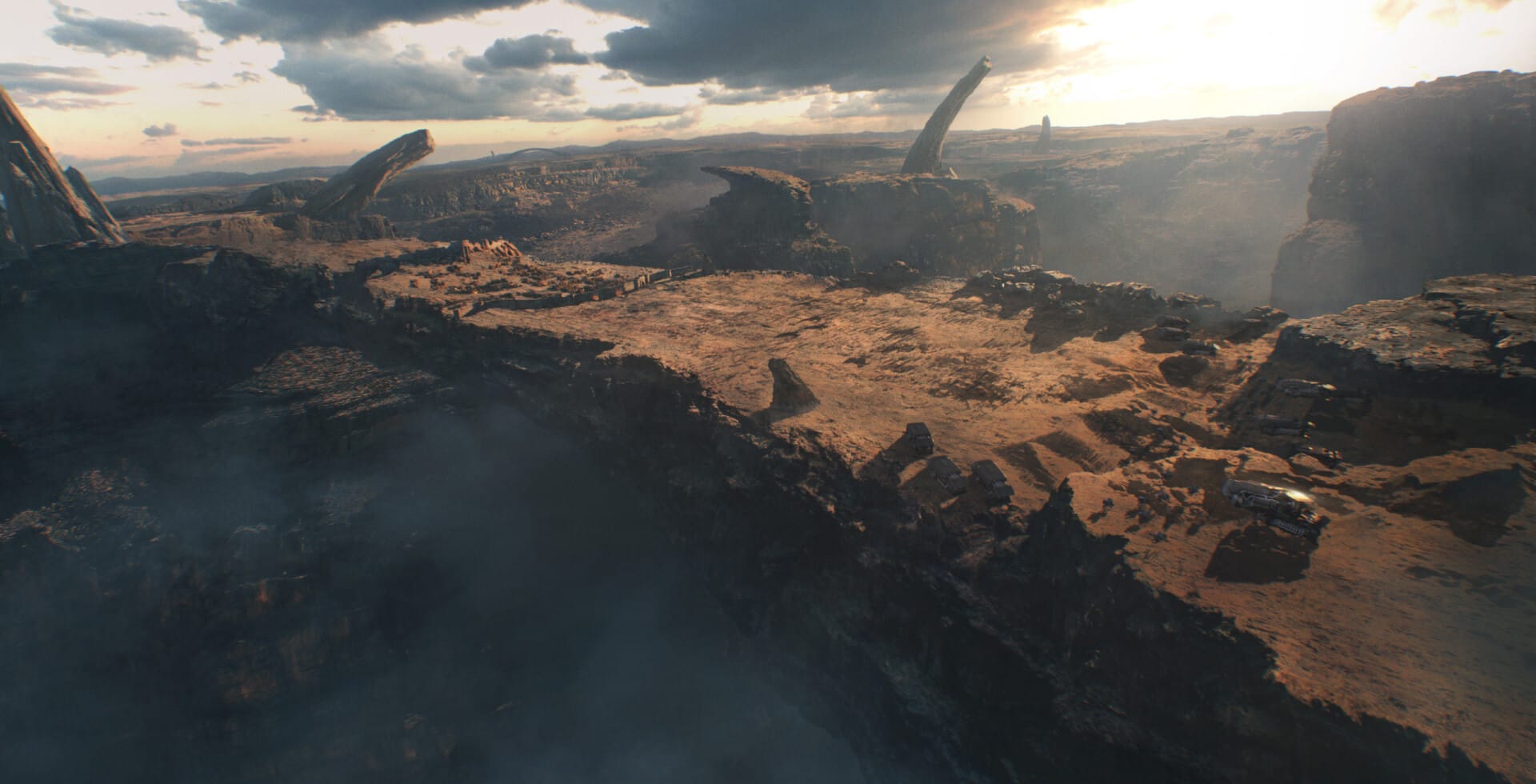
“Know Everything About Something & Something About Everything”
If Igor could give one piece of advice to an aspiring artist who dreams of working at a studio like ILM, he says: “Know everything about something, and something about everything. Being exceptionally good at something you genuinely enjoy is incredibly valuable. When you develop a distinctive skill or area of expertise, people will seek you out specifically for what you bring to the table. At the same time, broadening your knowledge and developing a diverse skill set allows you to approach challenges from different angles and makes you a more versatile artist.
The key is to find the right balance between the two. Explore different areas, expand your knowledge, but also identify what truly speaks to you and invest in it. Embrace it, nurture it, and strive to become as good as you can.”
Igor’s Standout Memory:
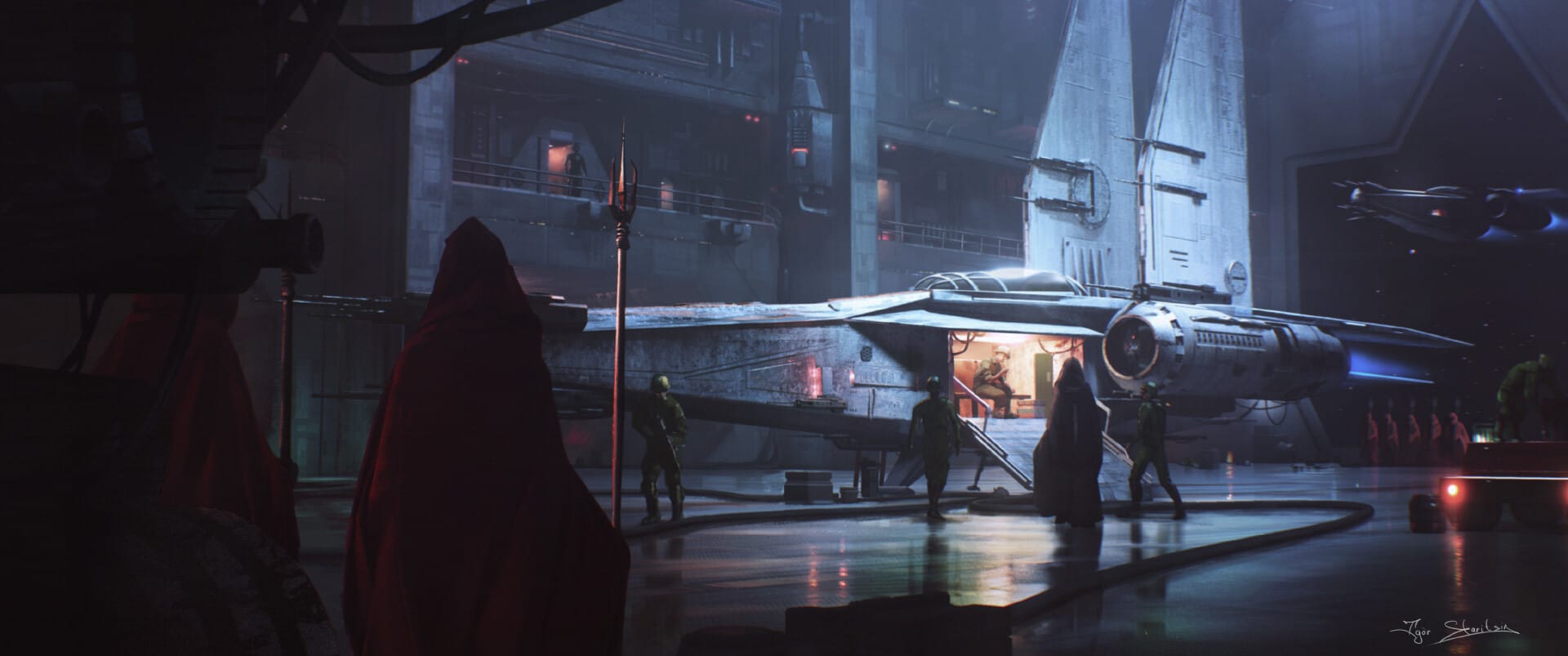
“A project that comes to mind was a very early development phase of a Star Wars feature film,” Igor explains. “We had an incredibly talented team of concept artists from different parts of the world, led by the amazing James Clyne. It was an absolute blast to be part of that project.
“What made it particularly exciting was that we were involved at such an early stage of development. Some of the artwork we created even inspired parts of the script and influenced the story's direction. It was a fun, unique experience to see how the visuals we created could help shape the film before the script was even written. There was so much art done for that project that I could easily replace my entire portfolio with it, but as it often happens, we can’t really share any of it!”
Watch Igor Staritsin’s Concept Art & Matte Painting for Film Workshop:
Concept Art & Matte Painting for Film by Igor Staritsin
Related News
An Interview with Vincent Dérozier
Oct 21, 2026
An Interview with Colleen Larson
Sep 10, 2026
The Art of Giovani Magana
Aug 27, 2026